

In today’s digital ecosystem, browser extensions are often seen as harmless productivity boosters—tools that block ads, enhance streaming, or simplify workflows. However, recent findings reveal a more complex and concerning reality: many extensions are quietly monetizing user data—and doing so legally.
According to research , dozens of widely used browser extensions explicitly disclose in their privacy policies that they may collect and sell user data. The catch? Almost no one reads those policies.

The Scale of the Problem
Researchers analyzed thousands of browser extensions and identified over 80 extensions that openly reserve the right to sell user data. These are not malicious tools operating in secrecy—they are transparent, at least legally.
Key findings include:
- A network of 24 media-related extensions affecting ~800,000 users, collecting streaming behavior and demographic data
- 12 ad blockers with over 5.5 million users that monetize browsing data
- Nearly 50 additional extensions collecting and reselling browsing activity
These extensions span categories such as streaming utilities, ad blockers, productivity tools, and even job application assistants.
The Legal Loophole: Privacy Policies
The core issue lies in how consent is obtained.
Instead of explicitly stating “we sell your data,” most extensions use vague language such as:
- “We may sell or share your personal information”
- “Information may be shared with business partners”
This wording creates a legal safeguard while still granting full permission to monetize user data. By clicking “Add to Chrome,” users effectively agree—often unknowingly—to these terms.
Lack of Transparency Across Extensions
Even more concerning is the absence of privacy policies altogether.
- 71% of Chrome Web Store extensions do not provide a privacy policy
- Over 73% of users have at least one extension with no transparency on data handling
This means the actual number of data-selling extensions could be significantly higher than identified, potentially reaching tens of thousands.
Inside the Data Collection Ecosystem
One of the most notable discoveries is the “QVI network”—a group of 24 extensions tied to a single publisher. These tools span major streaming platforms and collectively track:
- Viewing history
- Content preferences
- Streaming behavior
- Demographic data (including inferred data via third-party sources)
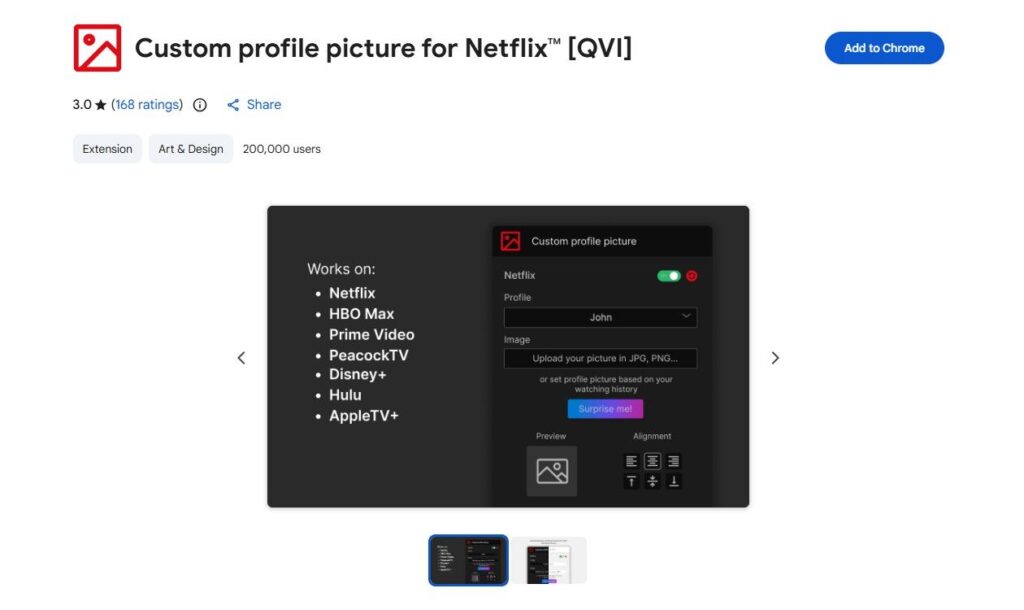
This data is then packaged and sold to media companies, advertisers, and analytics firms.
In essence, users unknowingly become part of a distributed audience measurement system.
When Privacy Tools Become the Problem
Ironically, even privacy-focused tools like ad blockers are part of this ecosystem.
Several popular ad blockers:
- Sell browsing activity for analytics
- Share behavioral profiles with third parties
- Infer sensitive attributes such as health, religion, or personal interests
This creates a paradox: tools designed to protect privacy may actually compromise it.
Enterprise Risk: Beyond Individual Users
The implications extend beyond personal use into corporate environments.
Researchers found that 29 of the identified extensions are B2B intelligence tools. These operate within enterprise environments and can potentially expose:
- Internal URLs
- SaaS usage patterns
- Competitive research behavior
This data can be aggregated and sold, creating a risk of corporate intelligence leakage.
How the Analysis Was Conducted
The research methodology combined automation and human validation:
- Analysis of ~9,000 extensions with privacy policy links
- Parsing of 6,666 policies
- AI classification to identify data-selling disclosures
- Manual review to remove false positives
Only extensions with clear commercial data-selling intent were included in the final dataset.
What Organizations Should Do
Traditional extension security focuses on permissions and malware detection—but this is no longer sufficient.
Organizations should:
- Audit all installed browser extensions
- Review privacy policies—not just permissions
- Implement centralized extension governance
- Block extensions that lack transparency or disclose data selling
Modern browsers already support enterprise-level controls that can enforce these policies.
Our Perspective: Why This Matters More Than It Seems
This case highlights a fundamental flaw in how digital consent works today. The system assumes that users read and understand privacy policies, but in reality, this expectation is unrealistic. Legal transparency does not equal meaningful awareness.
What makes this situation particularly concerning is normalization. Data selling is no longer hidden—it is openly declared, yet still largely ignored. This shifts the responsibility entirely onto users while companies continue to operate within legal boundaries. From our perspective, the bigger risk is not just personal privacy loss but systemic data commodification. When browsing behavior, preferences, and even inferred traits are continuously harvested, users gradually lose control over their digital identity.
For organizations, the stakes are even higher. Extensions acting as silent data pipelines can expose sensitive operational insights without triggering traditional security alerts. Ultimately, this is not just a technical issue—it is a governance and awareness problem. Stronger platform-level enforcement, clearer disclosures, and automated privacy risk detection should become standard.
Until then, the safest assumption is simple: if an extension is free, your data is likely the product.
